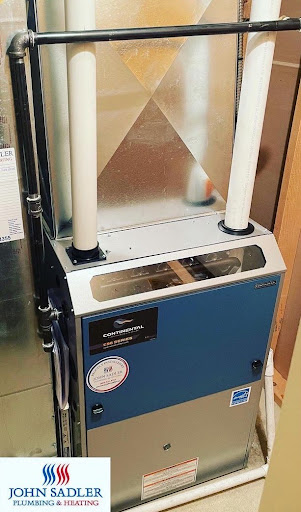
When your furnace repeatedly turns on, runs for only a short period, and then shuts off again, it is a problem known as short cycling. This isn’t just an annoying quirk; it’s a sign that your system is stressed. Short cycling wastes energy, provides inconsistent heating, and can shorten the lifespan of your unit, leading to premature and costly failure.
For nearly 50 years, John Sadler Plumbing & Heating has been the trusted name for efficient and reliable Furnace Repair & Maintenance Services across Surrey, Langley, and White Rock. Here is what usually causes a furnace to shut off unexpectedly, and when you need to call a professional.
The Most Common Reason A Furnace Short-Cycles: Restricted Airflow
The most frequent reason for short cycling is poor airflow, which causes the heat exchanger to overheat. Modern furnaces have safety limits (limit switches) that shut the unit down when it gets too hot, to prevent a fire or damage. Here are a few common causes of poor airflow:
1. Clogged Air Filter
A dirty furnace filter is the number one cause of reduced airflow. If your filter is plugged, it chokes the system, causing the unit to quickly reach its temperature limit and shut down. Make sure you change your furnace filter every 3 to 4 months to keep your furnace running smoothly.
2. Blocked Ducts or Return Air Grilles
Ensure all heat registers and return air grilles inside your home are completely open and unobstructed by furniture or rugs. Blocked ducts can starve the furnace of the necessary air circulation, leading to the same overheating issue.
3. Clogged Exhaust Vent
The furnace needs a clear path for the exhaust to exit your home. Because your furnace produces water as a by-product of combustion, if that water doesn’t drain away properly, it can collect in the vent and cause the furnace to shut down. This can be caused if the vent is back-grading or damaged in any way. If the furnace exhaust pipe starts collecting water, or debris blocks the flue pipe outside your home, the unit will often turn itself off immediately as a safety measure.
Safety First: Troubleshooting the Flame Sensor
If the unit ignites but only runs for a minute or two before stopping, the problem is very often the flame sensor. The flame sensor is a simple metal rod positioned in the burner assembly that ensures a flame is present before allowing the gas valve to stay open.
When the flame sensor gets covered in carbon or dirt (which happens over time), it can’t detect the flame, causing the unit’s control board to shut off the gas as a safety measure. This is a crucial safety component that prevents gas from pumping into your home unburned. Your furnace technician, who is a licensed gas fitter, will clean this during your annual furnace maintenance (read this to learn how often you should have your furnace serviced).
Technical Furnace Issues: Sizing, Thermostats, and Wiring
If basic checks don’t solve the issue, the cause may be more technical:
- Thermostat Location or Calibration: If the thermostat is placed near a heat source (like a fireplace), it may register a higher temperature than the rest of the house and signal the furnace to shut off prematurely.
- Faulty Control Board: The electronic “brain” of the furnace may be failing to send the correct signals to start or stop the combustion process.
- Vent Length: If the exhaust venting is too long, this can also trigger a pressure switch to shut the furnace down.
- Improper Sizing (Oversized Unit): If your furnace is too big for your Aldergrove or South Surrey home, it heats the air too quickly. The thermostat satisfies the heat demand almost instantly, causing the furnace to short cycle. If this has been an issue since installation, contact us to discuss proper sizing and potential Furnace Installation & Replacement options.
Don’t Delay: Why Professional Repair is Essential
If your furnace continues to short cycle after you have checked the filter and heat registers, do not ignore it. Continuous short cycling places extreme wear and tear on major components like the heat exchanger and blower motor. This premature stress can drastically increase the chances of a breakdown when you need heat the most.
Our dedicated technicians serve Langley, Surrey, White Rock, and the surrounding areas, offering fast, accurate diagnostics. We will identify the precise cause, whether it’s a failed sensor, a limit switch failure, or a venting problem, and provide a reliable repair solution. For immediate assistance with a heating emergency, please contact us for 24/7 Emergency Services.
Frequently Asked Questions (FAQ)
What does the noise sound like when a furnace short cycles?
When a furnace short cycles, you will typically hear the normal start-up sequence (the sound of the blower motor starting and the burners igniting) followed quickly by the sound of the unit shutting down, often with a metallic click from the gas valve closing. This on-off sequence will repeat much more often than normal, perhaps every 5 to 10 minutes, instead of running for a longer, consistent period.
Can short cycling damage my furnace permanently?
Yes, continuous short cycling can cause premature failure of furnace parts. The constant starting and stopping causes wear on the ignition system, blower motor, limit switches and other components. This shortens the unit’s overall lifespan and increases the likelihood of costly repairs.
How do I know if the problem is my air filter or a mechanical issue?
Start by checking your air filter: if it is heavily clogged, replace it, then monitor the furnace for a few hours. If the short cycling stops, the filter was the problem. If the furnace still cycles off quickly with a clean filter, the problem is mechanical or electrical, such as a faulty flame sensor, a limit switch failure, or an issue with the control board. At that point, professional Furnace Repair & Maintenance Services are required.
Is a short cycling furnace a safety concern?
Yes, short cycling can be a safety concern. It is often caused by the high-limit switch engaging to prevent overheating. This protective mechanism is vital. If the switch fails to prevent overheating, it can create a fire hazard. If the problem is due to a faulty flame sensor, it indicates a failure in the system that safely manages gas delivery. Always have a short cycling issue inspected promptly by a licensed professional.

